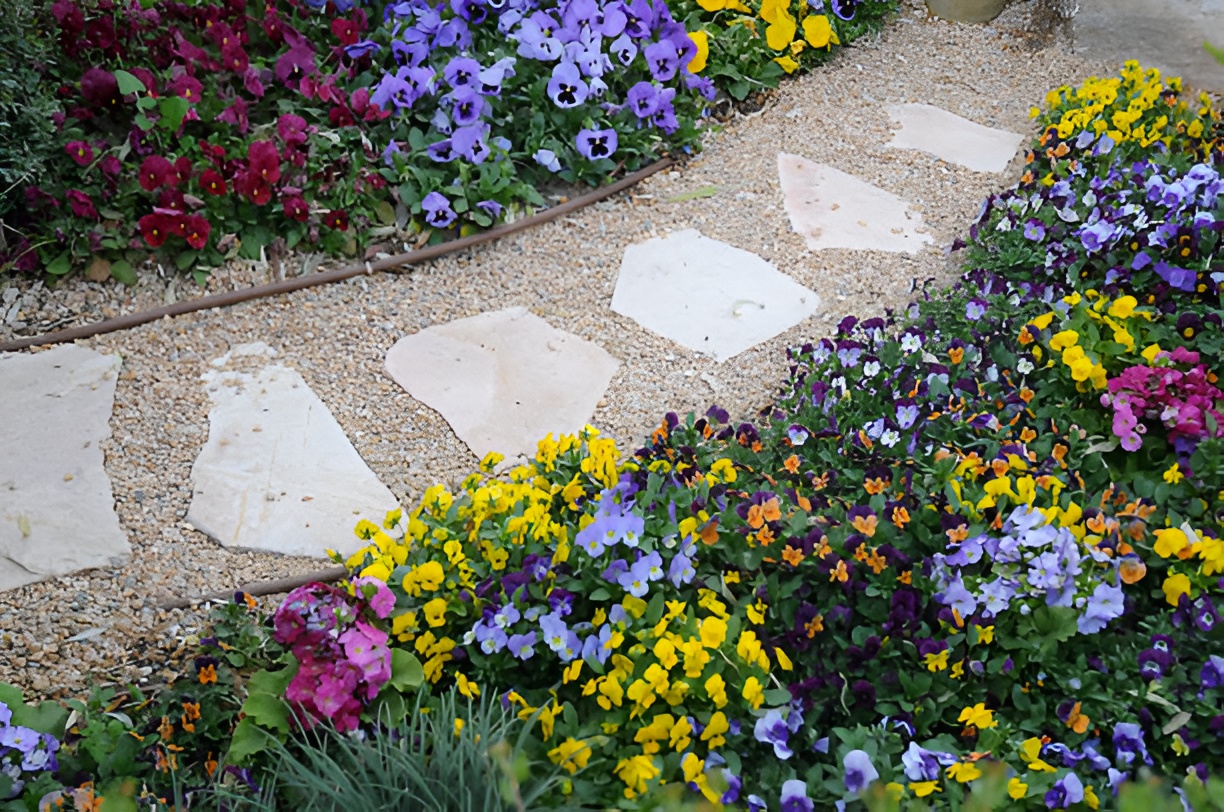
Highlights:
- Border plants define walkways, add structure, and instantly enhance garden aesthetics.
- A variety of plants—from fragrant lavender to colorful daylilies—can suit different light conditions and garden styles.
- Combining plant height, color, texture, and bloom times creates a visually dynamic walkway.
- Low-maintenance options like boxwood, sedum, and creeping thyme provide year-round beauty with minimal effort.
- Regular care, including watering, pruning, mulching, and soil management, is key to keeping borders healthy.
- Avoid common mistakes such as overcrowding, mismatched sunlight needs, and planting incompatible species.
- Thoughtful layering and plant selection can turn a simple walkway into a garden focal point that boosts curb appeal.
A well-planned walkway can transform your garden from ordinary to extraordinary. One of the easiest and most effective ways to achieve this is by using border plants. Border plants not only define pathways and add structure to your landscape but also bring color, texture, and charm to your outdoor space. In this guide, we’ll explore 10 stunning border plants for walkway that instantly upgrade your garden, plus tips on how to mix, match, and care for them.
Why Should You Use Border Plants for Walkway?
Border plants aren’t just decorative—they serve practical purposes as well. One of the easiest ways to elevate your outdoor space is by exploring creative garden border ideas along your pathways. Here’s why adding them to your garden path can make a difference:
- Defines your walkway: Clear edges make paths easier to navigate and prevent grass or soil from encroaching.
- Adds aesthetic appeal: Flowering and foliage plants can create eye-catching colors and textures.
- Enhances curb appeal: A well-designed walkway can make your garden look polished and inviting.
- Supports the ecosystem: Certain border plants attract pollinators like bees and butterflies.
If you’re ready to turn your garden path into a beautiful feature, let’s dive into the top picks.
1. Lavender: Fragrant and Classic
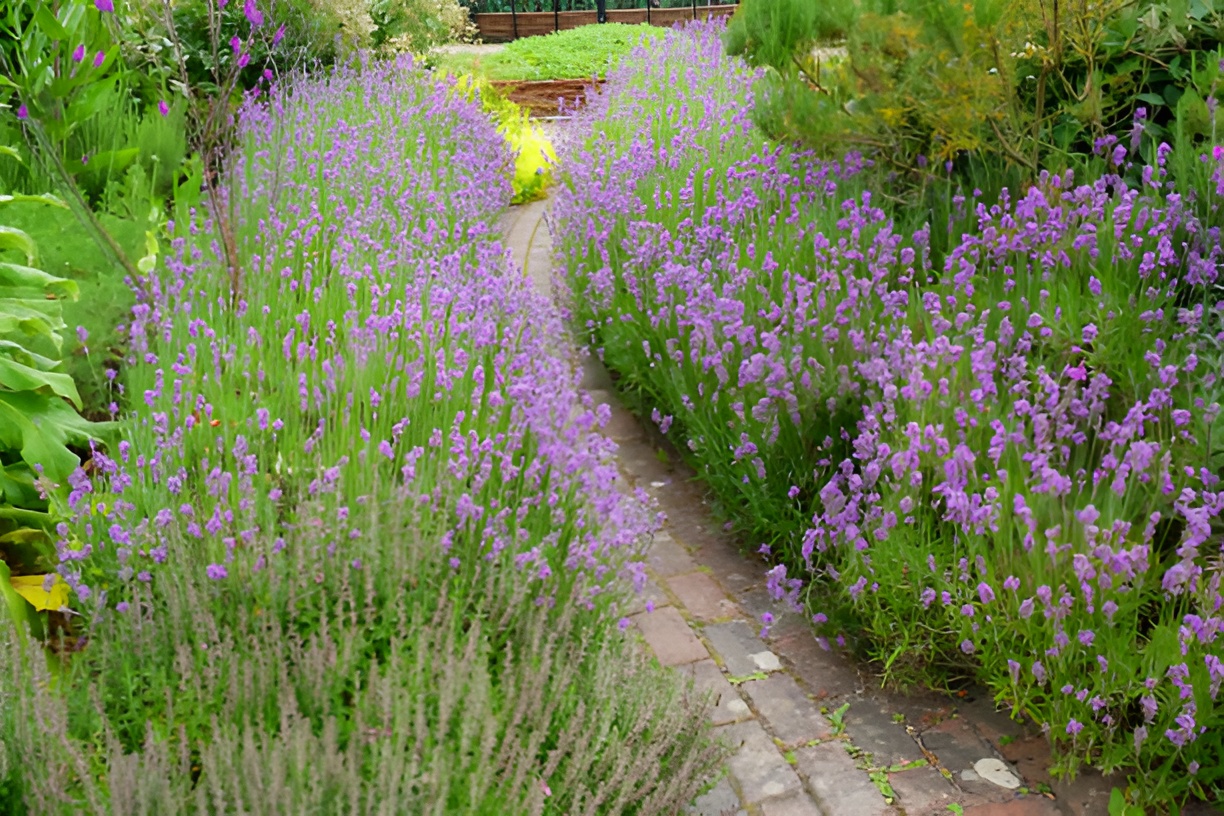
Lavender is a favorite for walkways because of its calming scent and elegant purple blooms. It thrives in full sun and well-draining soil, making it perfect for most gardens.
Why choose lavender for a walkway?
- Long-lasting blooms that add color from late spring to summer.
- Fragrant foliage that gives your garden a soothing aroma.
- Drought-tolerant and relatively low-maintenance.
Tips for planting:
- Space plants about 12 to 18 inches apart to allow airflow.
- Trim after flowering to maintain shape and encourage new growth.
2. Boxwood: Evergreen Elegance
If you want a more structured, formal look, boxwood is the way to go. Its dense, evergreen foliage stays green year-round, giving your walkway a clean and polished look.
Benefits of boxwood:
- Maintains shape easily with regular trimming.
- Perfect for geometric or symmetrical garden designs.
- Provides a strong visual edge along paths.
Planting and care:
- Space 12 to 24 inches apart depending on the variety.
- Prune annually to maintain height and shape.
3. Hostas: Shade-Loving Beauties
Not all walkways get full sun, and that’s where hostas shine. These plants are ideal for shaded paths and bring a lush, tropical feel with their large, textured leaves.
Why hostas work for walkways:
- Thrive in partial to full shade.
- Come in a variety of leaf colors and sizes.
- Low-maintenance once established.
Planting tips:
- Keep soil consistently moist but well-drained.
- Mulch around plants to retain moisture and prevent weeds.
4. Creeping Thyme: Low-Growing and Hardy
For a natural, cottage-garden vibe, creeping thyme is hard to beat. This low-growing herb spreads beautifully and even produces tiny purple flowers that attract pollinators.
Advantages:
- Can handle light foot traffic, making it perfect between stepping stones.
- Fragrant leaves add a subtle scent when brushed.
- Drought-tolerant once established.
Planting advice:
- Plant in full sun for best flowering.
- Allow plants to spread naturally to fill gaps.
5. Daylilies: Vibrant Seasonal Color
Daylilies are versatile and hardy plants that produce colorful blooms all summer long. They’re ideal for adding a pop of color along garden paths.
Key benefits:
- Available in a wide range of colors.
- Low-maintenance and resistant to pests.
- Drought-tolerant and adaptable to many soil types.
Planting tips:
- Plant in clusters for maximum visual impact.
- Deadhead spent flowers to encourage continuous blooming.
6. Coral Bells (Heuchera): Colorful Foliage
If you want year-round interest, coral bells are a top choice. While their flowers are delicate, their foliage comes in deep purples, silvers, and greens.
Why coral bells are a great border plant:
- Offers colorful foliage even when not in bloom.
- Works well in both sun and shade depending on the variety.
- Deer-resistant and low-maintenance.
Care tips:
- Mulch around plants to protect roots in winter.
- Remove old leaves to maintain fresh appearance.
7. Ornamental Grasses: Texture and Movement
Ornamental grasses are perfect for adding texture and gentle movement along a walkway. They work well in modern and naturalistic gardens alike.
Benefits:
- Low-maintenance and drought-tolerant.
- Provides height and movement without overwhelming other plants.
- Available in various sizes and colors.
Planting tips:
- Plant in groups for a fuller effect.
- Trim dead foliage in late winter or early spring.
8. Marigolds: Bright and Cheerful
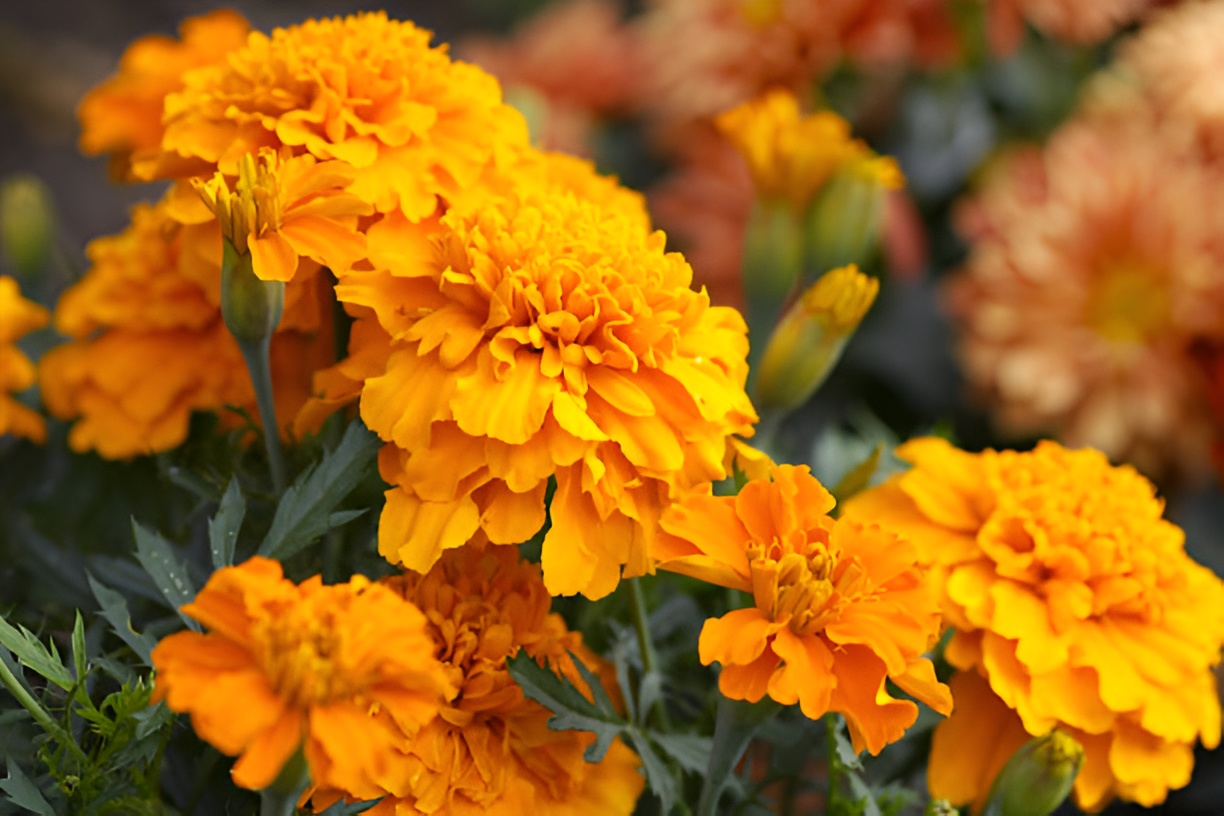
Marigolds are perfect for adding instant color and cheerful vibes to your garden path. Their vibrant yellow, orange, and red blooms are easy to grow and pest-resistant.
Why choose marigolds:
- Long blooming season in summer and fall.
- Repels certain pests, making them great companions for other plants.
- Easy to grow from seeds or seedlings.
Planting tips:
- Space 8 to 12 inches apart for a continuous border.
- Deadhead flowers to extend blooming.
9. Salvia: Pollinator-Friendly and Colorful
Salvia is a striking option that brings vertical color spikes along a walkway. Its flowers attract hummingbirds and butterflies, enhancing your garden’s ecosystem.
Advantages:
- Long-lasting blooms from spring to fall.
- Attracts pollinators for a lively garden.
- Drought-tolerant once established.
Planting advice:
- Full sun is ideal for vibrant flower production.
- Cut back after flowering to encourage rebloom.
10. Sedum: Succulent Beauty
For a low-water, low-maintenance option, sedum is an excellent choice. These succulent plants offer interesting textures and seasonal blooms that complement any walkway.
Benefits:
- Thrives in poor soil and sunny locations.
- Provides unique textures with fleshy leaves.
- Can be used in rock gardens or combined with other border plants.
Planting tips:
- Space plants according to the variety; some spread quickly.
- Water sparingly once established.
How to Mix and Match Border Plants for Walkway
Choosing the right combination of plants can turn your walkway into a visually stunning feature. Here are some ideas:
- Layering: Place taller plants at the back and shorter ones at the front for depth.
- Color coordination: Mix complementary or contrasting colors for visual interest.
- Texture play: Combine leafy plants, flowering plants, and ornamental grasses for variety.
- Seasonal rotation: Include plants with different bloom times to ensure year-round appeal.
Tips for Maintaining Your Walkway Borders
Even the most beautiful border plants need a little care to keep them looking their best:
- Watering: Keep new plants well-watered until established. Adjust watering based on plant type and weather.
- Pruning and trimming: Regularly trim plants to maintain shape and prevent encroachment onto the path.
- Mulching: Mulch helps retain moisture, suppress weeds, and keep roots healthy.
- Soil care: Fertilize as needed and consider soil amendments to keep plants thriving.
Common Mistakes to Avoid
When planting border plants for walkway, avoid these pitfalls:
- Overcrowding: Plants need space to grow. Crowding can lead to poor airflow and disease.
- Ignoring sunlight needs: Make sure each plant matches the light conditions of your walkway.
- Neglecting maintenance: Even low-maintenance plants require occasional trimming and care.
- Mixing incompatible plants: Group plants with similar water and soil requirements.
Final Thoughts
Border plants for walkway are a simple yet powerful way to transform your garden. From fragrant lavender to colorful daylilies and hardy sedum, there’s a plant for every style and condition. By choosing the right combination, layering colors and textures, and keeping up with basic care, your walkway can become a stunning focal point that instantly upgrades your garden.
Whether you prefer a formal, structured look with boxwood or a relaxed cottage vibe with creeping thyme and marigolds, these 10 stunning border plants for walkway will help you create a path that’s beautiful, inviting, and uniquely yours.