Maintaining a home’s exterior involves much more than trimming the lawn and tidying the front porch. Every part of the property, from the roof to the driveway, contributes to its appearance, structural condition, and everyday functionality. Constant exposure to sunlight, precipitation, wind, and changing temperatures can gradually damage exterior materials, even when problems aren’t immediately visible. Without regular attention, minor maintenance concerns can develop into expensive repairs that affect multiple areas of the home.
Professional exterior maintenance services give homeowners access to specialized equipment, practical knowledge, and appropriate repair techniques. Experienced contractors can spot signs of deterioration, recommend suitable materials, and complete projects that homeowners might struggle to manage on their own.
Understanding how different exterior specialists contribute to property upkeep allows homeowners to make informed decisions about maintenance priorities. By addressing problems proactively and coordinating services throughout the year, homeowners can protect their investments, improve curb appeal, and create more enjoyable spaces for their families and visitors.
Protecting the Roof and Drainage System
The roof is one of the most important components of any residential property because it protects the interior from weather exposure. Damaged shingles, deteriorating flashing, and compromised seals can allow moisture to enter the home, potentially affecting insulation, ceilings, and structural materials. Even a roof that appears to be in good condition from the ground may have areas of deterioration that require professional attention.
Working with local roofers allows homeowners to identify developing concerns before they become more extensive. Roofing professionals can examine vulnerable areas around chimneys, vents, valleys, and other roof penetrations. They can also evaluate whether existing materials require minor repairs or whether broader improvements would offer better long-term protection.
Gutters deserve equal consideration because they direct rainwater away from the roof and foundation. When gutters become clogged, damaged, or improperly positioned, water can overflow and collect near siding, landscaping, and basement walls. Installing seamless gutters can reduce the number of joints where leaks may develop while providing a streamlined appearance that complements the home’s exterior.
Professional gutter installation also helps ensure that downspouts discharge water toward appropriate drainage areas. Homeowners should schedule periodic cleaning and inspections, particularly after storms or seasonal leaf accumulation. Coordinating roof and gutter maintenance helps these systems work together effectively, reducing unnecessary moisture exposure and preserving the condition of surrounding exterior materials.
Preserving Siding and Exterior Finishes
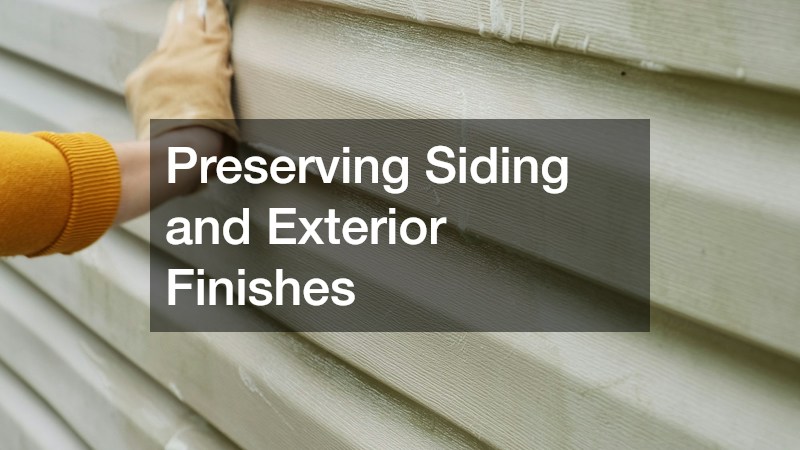
Siding serves both decorative and protective purposes. It establishes much of a home’s visual identity while shielding underlying materials from environmental exposure. However, prolonged contact with moisture, ultraviolet radiation, and temperature fluctuations can cause siding to fade, crack, warp, or loosen. These changes can make a property appear neglected and may create openings where water or pests can enter.
A siding company can assess the condition of existing materials and identify areas that require repair or replacement. Depending on the type of siding, professionals may recommend replacing individual panels, improving seals around openings, or addressing moisture problems beneath the exterior surface. Their recommendations can help homeowners avoid replacing materials that remain functional while directing attention toward areas with more significant damage.
Material selection also matters when exterior upgrades become necessary. Vinyl, fiber cement, engineered wood, and other siding products have different maintenance requirements and visual characteristics. A professional can explain how these options respond to local weather conditions, helping homeowners select materials that suit both their preferences and maintenance expectations.
Regular inspections around windows, doors, corners, and areas near the ground are especially valuable because these locations can experience concentrated moisture exposure. Maintaining exterior finishes and addressing damaged sections promptly helps preserve a consistent appearance. It also supports the protective function of the building envelope, which can reduce the likelihood of damage spreading to concealed materials inside the walls.
Maintaining Healthy and Attractive Landscaping
A thoughtfully maintained landscape can make an ordinary property feel welcoming and organized. Healthy grass, appropriately positioned shrubs, colorful plants, and clearly defined garden beds help frame the home and draw attention to architectural features. However, keeping outdoor areas attractive requires more than occasional mowing or seasonal planting.
Professional landscaping companies can evaluate soil conditions, sunlight exposure, drainage patterns, and existing vegetation to determine which maintenance practices are appropriate. Their services may include pruning, mulching, lawn treatments, planting, and seasonal cleanup. These tasks help manage overgrowth while supporting the health of plants that contribute to the property’s appearance.
Landscape maintenance also plays a role in protecting the home itself. Overgrown shrubs can restrict airflow near exterior walls, while branches that extend over the roof may contribute to debris accumulation or damage during severe weather. Professionals can recommend appropriate spacing and pruning practices to reduce these concerns without sacrificing the visual benefits of established vegetation.
Seasonal planning makes landscaping more manageable. Spring preparations may focus on soil improvement and planting, while summer maintenance often involves irrigation and vegetation management. Autumn cleanup can help prevent leaves from accumulating around drainage systems and walkways. By maintaining a consistent schedule, homeowners can enjoy outdoor areas that remain attractive, functional, and suitable for changing weather conditions rather than repeatedly addressing problems after they become difficult to manage.

Caring for Decks and Outdoor Gathering Areas
Decks extend the usable living space of a home and provide convenient areas for dining, entertaining, and relaxing outdoors. Because these structures remain exposed to changing weather, they require regular maintenance to preserve their appearance and structural integrity. Moisture, prolonged sunlight, and repeated use can contribute to surface deterioration, loose connections, and damage to supporting components.
Experienced deck builders can assess the condition of existing structures and recommend repairs based on the materials used and the severity of deterioration. Their evaluations may include examining railings, stairs, fasteners, support posts, and the connections between the deck and the home. Identifying problems in these areas is particularly important because some structural concerns are difficult to recognize without specialized knowledge.
Different decking materials also require different maintenance approaches. Natural wood may need periodic cleaning, staining, or sealing, whereas composite products generally require maintenance according to manufacturer recommendations. Professionals can explain which treatments are appropriate and help homeowners avoid methods that could damage the surface or shorten the lifespan of the material.
A well-maintained deck can also improve the relationship between the house and surrounding landscape. Incorporating comfortable seating, suitable planters, and unobstructed pathways creates an outdoor gathering area that feels connected to the rest of the property. Addressing structural and surface concerns before making decorative improvements provides a sound foundation for an outdoor space that can accommodate everyday activities and seasonal celebrations.
Maintaining Fences and Property Boundaries
Fences contribute to curb appeal by defining property boundaries, establishing privacy, and complementing surrounding landscaping. They can also help create designated areas for pets, gardens, and outdoor activities. However, fences are constantly exposed to environmental conditions that can affect their appearance and stability over time.
Professional fence contractors can identify damaged posts, loose panels, deteriorating hardware, and alignment problems that may compromise an existing fence. Depending on the material and extent of damage, repairs may involve replacing individual components, reinforcing supports, or installing new sections. Addressing these concerns early can prevent isolated problems from affecting larger portions of the structure.
Homeowners should also consider how their fencing interacts with nearby vegetation and drainage. Plants growing directly against certain fence materials can retain moisture, while poor drainage around posts may contribute to deterioration or instability. Routine vegetation management and appropriate grading can help protect fencing from avoidable damage.
When replacement becomes necessary, professionals can discuss options such as wood, vinyl, aluminum, and other materials that complement the home’s architectural style. Choosing a fence that balances appearance, maintenance needs, and household requirements can improve the property’s overall functionality. Proper installation and consistent upkeep help ensure that boundary features remain attractive without creating unnecessary maintenance demands for homeowners.

Preserving Driveways and Walkways
Driveways and walkways are among the most frequently used features of a residential property. They influence how people approach the home and contribute significantly to its first impression. Cracks, uneven surfaces, potholes, and deteriorating edges can diminish curb appeal while making everyday movement around the property more difficult.
Professional paving contractors can evaluate existing surfaces and identify conditions contributing to deterioration. Water infiltration, shifting ground, repeated vehicle traffic, and inadequate drainage can all affect pavement performance. Understanding the underlying cause of damage helps determine whether patching, resurfacing, or replacement is the most appropriate solution.
Driveway maintenance requirements vary according to the materials used. Asphalt may benefit from appropriate crack treatments or periodic sealcoating, while concrete surfaces may require joint maintenance or targeted repairs. Paver installations can experience shifting or settlement that requires adjustments to restore a level surface. Professionals can recommend suitable methods based on the specific condition of the driveway or walkway.
Beyond addressing visible damage, homeowners can consider improvements that make these areas more convenient and visually appealing. Clearly defined borders, coordinated materials, and properly positioned pathways help connect entrances, gardens, and outdoor living spaces. Maintaining accessible routes and addressing drainage concerns can also support safer movement during wet weather. Regular attention to paved surfaces helps preserve their usability while creating a more polished appearance across the entire property.
Enhancing Exterior Lighting and Architectural Features
The appearance of a home changes throughout the day, particularly as natural sunlight begins to fade. Thoughtfully positioned outdoor lighting can highlight architectural details, illuminate pathways, and make outdoor gathering areas more comfortable during evening hours. However, damaged fixtures, deteriorating connections, and poorly directed illumination can reduce the effectiveness of an existing system.
Lighting professionals can evaluate fixture placement and recommend adjustments that improve visibility without creating excessive glare. They can also identify suitable products for locations exposed to rain, temperature changes, and other outdoor conditions. Incorporating appropriate controls, timers, or motion sensors can help homeowners manage illumination according to their household routines and preferences.
Architectural details deserve similar attention because they often establish the distinctive character of a property. Features such as retaining walls, decorative columns, entrance steps, and exterior accents may incorporate stone masonry that requires specialized care. Over time, mortar joints can deteriorate, stones can loosen, and moisture exposure can contribute to surface damage.
Experienced masonry professionals can identify appropriate repair techniques that preserve the appearance and function of these features. Matching replacement materials and mortar characteristics can be particularly important when maintaining older structures. Combining carefully maintained architectural elements with well-planned illumination allows homeowners to emphasize attractive features that might otherwise go unnoticed. These improvements can create a cohesive exterior appearance while supporting the practical needs of residents and visitors.
Establishing a Consistent Exterior Maintenance Routine
Maintaining an attractive home exterior becomes easier when homeowners establish a predictable schedule rather than waiting until visible damage appears. Regular inspections, seasonal cleaning, and timely repairs allow individual maintenance tasks to support broader property improvement goals. This approach also gives homeowners opportunities to plan expenses and prioritize projects according to urgency.
Professional power washing services can help remove accumulated dirt, algae, and other surface contaminants from suitable exterior materials. Driveways, certain siding products, patios, and walkways may benefit from cleaning techniques appropriate for their composition. Professionals can determine whether pressure washing or gentler methods are necessary to avoid damaging delicate surfaces, protective coatings, or surrounding vegetation.
Creating a maintenance calendar can help homeowners coordinate cleaning with other exterior projects. For example, washing appropriate surfaces before refinishing them can support preparation, while clearing gutters before periods of heavy rainfall can reduce drainage concerns. Scheduling inspections after severe weather can also help identify unexpected damage before it affects neighboring materials.
Keeping records of completed services, material specifications, and contractor recommendations makes future maintenance decisions easier. Homeowners can also use this information to distinguish between tasks they can reasonably handle and projects that warrant specialized professional assistance.
Ultimately, maintaining a home’s exterior requires consistent attention to the features that protect, define, and enhance the property. By investing in appropriate professional services and addressing concerns as they arise, homeowners can preserve the appearance and functionality of their outdoor spaces. A coordinated maintenance approach creates a welcoming environment, supports long-term property care, and helps ensure that exterior improvements continue to provide practical benefits throughout the years.