
The front yard serves as the primary handshake between your home and the outside world. Long before guests step across your threshold, your property’s exterior communicates a story about pride of ownership, care, and architectural character. An overgrown, cluttered, or poorly structured front yard detracts from even the most stunning interior design, creating a sense of neglect and dampening home value. Conversely, a thoughtfully planned front exterior creates an inviting approach that elevates overall curb appeal and boosts property equity.
Transforming a neglected or outdated outdoor space does not require months of disruptive construction. With a clear vision and a structured, phase-by-phase framework, you can execute a high-impact front yard overhaul in a single, well-coordinated weekend. By systematically addressing site preparation, tree canopy management, hardscaping, structural upgrades, and fine cosmetic detailing, you can convert underutilized turf into a captivating outdoor environment that delights visitors and welcomes you home every day.
Phase 1: Site Clearing, Ground Prep, and Pest Management
Preparing the Canvas by Clearing Overgrowth and Heavy Debris
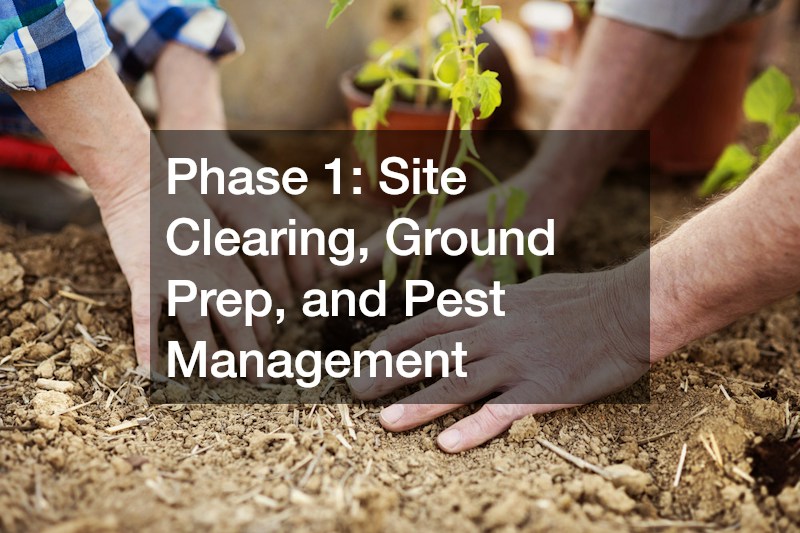
Every successful exterior transformation begins with a clean slate. Over time, front yards naturally accumulate an excess of dead vegetation, invasive weeds, sprawling root systems, and decaying organic debris that obscure architectural lines and crowd out desirable plants. Attempting to install fresh landscaping or build new features over an unkempt foundation inevitably leads to uneven surfaces and premature plant failure.
Executing a thorough land clearing service allows you to evaluate the true topography and boundaries of your front property. Start by systematically stripping away dead turf, removing choked underbrush, and cutting back invasive vines that have crept onto siding or fences. Dig out deep-rooted weeds and clear away fallen limbs, rocks, or old landscaping fabric that has degraded into the soil. Once the surface debris is removed, use a mechanical tiller or grading rake to break up compacted soil, smoothing out unnatural mounds and dips. This initial labor opens up previously hidden square footage, improves soil aeration, and creates a level, nutrient-ready canvas for new plantings, sod, or masonry structures.
Protecting Your Entryway and Soil from Unwanted Pests
A beautiful front yard can quickly become a source of frustration if sub-surface pests or wood-destroying insects invade your garden beds, hardscapes, and home foundation. Mulch beds, decaying tree roots, and damp soil near the house perimeter create ideal habitats for ants, termites, grubs, and rodent populations. Addressing pest vulnerabilities during the initial ground preparation phase prevents future damage to expensive plant materials and structural timber.
Implementing targeted pest control measures creates an invisible barrier around your property that protects both your lawn and home interior. Inspect the perimeter foundation for signs of termite tubes, ant trails, or rodent burrows. Before applying fresh mulch or laying down new sod, treat the soil with eco-friendly, non-toxic barrier applications that deter destructive insects without harming earthworms or beneficial pollinators. Additionally, eliminate standing water zones and maintain proper clearance between soil levels and exterior siding to disrupt pest breeding cycles, ensuring that your newly upgraded yard remains healthy, clean, and structurally sound.
Phase 2: Managing Trees, Canopies, and Sunlight Integration
Pruning Canopies to Boost Natural Light and Enhance Sightlines
Trees add indispensable grandeur, shade, and character to a front property, but unmanaged branches can quickly engulf a home’s front facade. Overgrown canopies block natural sunlight from reaching lawn grass and flower beds below, resulting in patchy, moss-ridden turf and struggling understory plants. Furthermore, low-hanging limbs obscure windows, entry doors, and architectural details, making the home feel dark and closed off from the street.
Enlisting local tree trimming services is one of the most effective ways to instantly open up sightlines and improve property aesthetics. Professional arborists use targeted crown lifting, thinning, and shaping techniques to remove dead or overlapping limbs while preserving the structural health of the tree. Thinning the inner canopy allows wind to pass through safely during storms, reducing the risk of branch failure, while letting dappled sunlight filter down to ground-level gardens. Lifting lower branches creates clear visual corridors from the sidewalk to your front door, dramatically improving curb appeal while highlighting your home’s rooflines and entryway.
Addressing Hazardous or Obstructive Trees Safely
While pruning solves most shade and sightline challenges, certain trees present structural hazards or severe space conflicts that trimming alone cannot fix. Dead, dying, or storm-damaged trees pose significant safety risks to your home, parked vehicles, and overhead utility lines. Additionally, large trees planted too close to walkways or foundations can cause severe pavement lifting, pipe damage, and structural cracking over time as their root systems expand.
When evaluating major tree hazards on your property, consulting a certified local tree service ensures that you receive an objective assessment regarding tree health, root spread, and structural integrity. If a tree is deemed unsalvageable or poses an immediate threat to your home, arranging professional tree removal services guarantees that the specimen is taken down safely using controlled rigging and specialized equipment. Safely removing an oversized or hazardous tree eliminates liability, prevents foundation damage, and liberates massive amounts of air space and sunlight, giving you full creative freedom to reimagine your front yard layout.
Phase 3: Hardscaping, Walkways, and Slope Management
Building Level Terraces and Controlling Erosion on Sloped Lawns
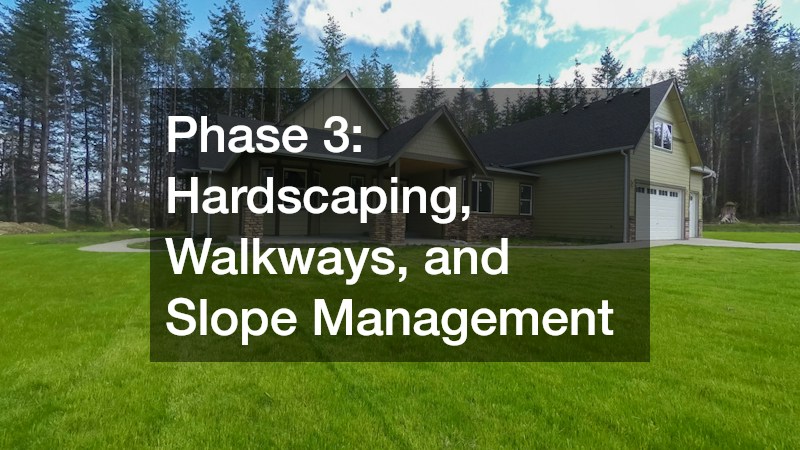
Steep inclines and rolling slopes present significant challenges for front yard utility and aesthetics. Uncontrolled slopes are prone to severe soil erosion during heavy rains, washing away topsoil, fertilizers, and mulch onto sidewalks and driveways. Furthermore, maintaining grass on steep inclines is notoriously difficult and dangerous, often leaving homeowners with unsightly, patchy hillsides that ruin the visual symmetry of the front elevation.
Installing a structural retaining wall transforms unusable, sloped ground into flat, terraced platforms suitable for formal garden beds, lawn tiers, or seating areas. Built from engineered concrete blocks, natural fieldstone, or timber, these walls hold back massive weights of earth while slowing down surface water velocity. Incorporating a proper gravel drainage layer, perforated drain pipes, and filter fabric behind the wall prevents hydrostatic pressure buildup, ensuring the structure remains stable for decades. Terraced leveling completely changes the spatial dynamics of a front yard, turning an awkward slope into a striking, multi-layered landscape feature.
Designing Defined Walkways and Welcoming Entry Patios
The walkway connecting your driveway or sidewalk to the front door dictates the physical journey across your property. Narrow, cracked, or uneven concrete paths feel uninviting and create trip hazards for guests. Upgrading to a wide, beautifully crafted walkway establishes a formal, welcoming procession that guides foot traffic smoothly while complementing the color palette of your home’s exterior.
Hiring experienced patio paver contractors allows you to replace outdated concrete with high-durability interlocking brick, stone, or concrete pavers. Modern pavers resist freeze-thaw cycles, hold heavy weight loads without cracking, and allow for flexible design configurations like herringbone, running bond, or basketweave patterns. Widening the main entry path to at least four feet ensures that two people can walk side by side comfortably. Expanding the walkway near the entrance to form a small landing or front patio creates an inviting space for decorative planters, bench seating, or seasonal displays, blending functional hardscaping with residential charm.
Phase 4: Structural Additions, Outdoor Amenities, and Custom Layouts
Planning Cohesive Front and Side-Yard Architectural Elements
Achieving a truly high-end exterior requires more than just planting flowers and laying down pavers; it demands a unified architectural vision that connects the house to its surrounding landscape. Randomly placed garden ornaments, mismatched fencing styles, or improperly scaled features create visual clutter that distracts from your home’s natural focal points.
Developing cohesive outdoor designs involves balancing hardscape proportions, plant textures, color themes, and exterior lighting into a single harmonized layout. Consider the architectural style of your home—whether modern, craftsman, colonial, or Mediterranean—and select exterior materials that mirror those details. Integrate clean bed edgings, matching pillar lights, and custom wood or wrought-iron accents along perimeter borders. By intentionally aligning pathways, focal trees, and structural features with major windows and entry points, you create a seamless visual rhythm that draws the eye naturally toward the front entrance.
Partnering with Renovation Specialists for Major Structural Upgrades
When a front yard overhaul involves expanding front porches, adding custom porticos, building stone entry pillars, or altering the physical facade of the home, general landscaping efforts must be paired with expert structural construction. Major exterior modifications often require local building permits, engineering approvals, and precise integration with existing roofing and siding materials.
Beyond meeting local building codes, structural upgrades demand a deep understanding of weight distribution, soil load capacities, and weather resistance. For example, anchoring a heavy portico or porch roof into an existing structure requires reinforced flashing and roofline tying to prevent future water intrusion and costly interior damage.
Teaming up with licensed remodeling companies ensures that major structural upgrades are executed safely, legally, and to the highest craftsmanship standards. Professional contractors handle complex framing, masonry footings, exterior electrical wiring, and material matching to guarantee that new architectural additions look as if they were built with the original house. Furthermore, experienced builders can seamlessly incorporate low-voltage architectural lighting, recessed porch heaters, and custom stonework, creating an inviting transition between outdoor hardscapes and indoor living space. A custom-built covered front porch or stone pillar gateway completely redefines your home’s front profile, adding functional living space while exponentially increasing overall property value.
Phase 5: High-End Amenities and Final Exterior Detailing
Maintaining Water Features and Specialty Aquatic Installations
Water features bring a sense of luxury, movement, and tranquility to a front yard environment. From gentle stone entry fountains and cascading rock waterfalls to front-facing architectural reflection ponds, water elements mask background traffic noise with soothing ambient sounds while serving as dramatic visual centerpieces.
For properties that feature larger aquatic amenities or integrated front-facing water features, partnering with a dependable new construction pool service ensures that all pumps, filtration systems, and water chemistry controls operate efficiently. Proper maintenance prevents algae build-up, motor burnouts, and water cloudiness that can instantly ruin the appearance of an outdoor feature. Keeping water installations sparkling clean, properly illuminated, and mechanically sound guarantees that your front yard aquatic elements remain a radiant point of pride rather than a maintenance burden.
Adding the Finishing Touches for Maximum Visual Impact
With all major clearing, tree work, hardscaping, and structural construction complete, the final phase of your weekend transformation focuses on fine cosmetic details. These finishing touches unify all the individual elements of your landscape, adding crisp contrast, rich textures, and vibrant colors that make the entire property pop from the street.
-
Apply Premium Organic Mulch: Spread a fresh three-inch layer of dark brown or black shredded hardwood mulch across all garden beds. Mulch suppresses weed growth, retains soil moisture, and provides a stark, clean visual contrast against green foliage and colorful flowers.
-
Install Low-Voltage LED Landscape Lighting: Place warm LED uplights at the base of architectural trees and structural pillars, and position path lights along walkways and driveways. Subtle illumination enhances nighttime safety while creating dramatic exterior shadows and highlights after dark.
-
Upgrade Hardware and Accent Details: Replace outdated house numbers with modern, high-visibility numbers. Install a contemporary mailbox, update front porch light fixtures, and apply a fresh coat of bold paint to the front door to create an instant visual focal point.
-
Incorporate Layered Container Gardens: Flank the front entry door or porch steps with matching, large-scale decorative planters filled with a combination of tall thriller plants, bushy filler flowers, and cascading trailer vines for instant elevation and color.
-
Define Sharp Lawn Edging: Use a mechanical edger or manual spade to cut clean, deep trench borders along all turf lines meeting sidewalks, driveways, and garden beds, giving the lawn a manicured, professional look.
Transforming your front yard over the course of a weekend is an extraordinarily rewarding home improvement endeavor. By systematically progressing through site clearing, tree canopy management, hardscaping, structural enhancements, and final cosmetic detailing, you can eliminate exterior chaos and unlock your property’s true potential.
A well-designed front yard does far more than boost market appraisal values; it enhances your daily quality of life, fosters community pride, and creates a warm, memorable experience for every person who approaches your home. Armed with a structured action plan, high-quality materials, and the right professional support where needed, you possess all the tools necessary to turn your front yard vision into a lasting, beautiful reality.