Flipping through home design magazines or scrolling through social media can easily convince you that creating a luxurious backyard oasis requires a massive budget. It is incredibly common to look at your current exterior space, dream of a relaxing retreat, and then feel completely defeated by the reality of household financial constraints. The truth is that a welcoming, beautiful exterior does not require draining your savings account or taking out a massive home improvement loan. The secret lies in strategic planning, pacing your upgrades, and knowing exactly where to invest your energy.
Clear the Clutter and Refresh Your Landscape’s Base
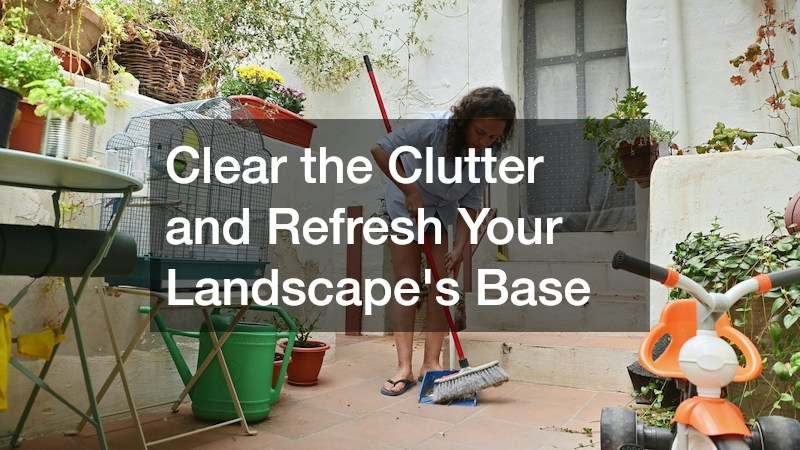
Starting with a completely blank slate is the most cost-effective first step in any exterior renovation project because it prevents you from building around existing problems. When yards are overgrown or filled with broken lawn furniture, rotting wood, and heavy debris, it becomes impossible to see the true potential of the space. You can efficiently get rid of all this accumulated waste by organizing a dedicated weekend cleanup and scheduling a dumpster rental to handle the bulk removal. Tossing everything into a single, centralized container saves you countless trips to the local landfill and immediately makes the yard feel twice as large, giving you a clear canvas to start your design.
Once the debris is gone, you must focus on the foundation of your landscape, which requires establishing a healthy, level ground for both aesthetics and proper yard drainage. Unpredictable weather can cause major pooling in low areas, which ruins grass and breeds mosquitoes, so it is highly advisable to order bulk top soil to fill in those unsightly dips. Spreading a fresh, nutrient-rich layer over your lawn not only levels out the ground but also prepares your garden beds for affordable seasonal planting, ensuring your new greenery has the perfect environment to establish deep, healthy roots.
With a clean and level yard, you can move on to the crucial layout phase without spending a single dime on materials yet. Using wooden stakes and brightly colored masonry string, you can map out future seating areas, garden beds, and pathways to get a physical sense of the flow. Having a solid visual plan before purchasing supplies prevents costly measurement errors and ensures your new layout works perfectly with your daily routine.
- Start your site assessment by walking the perimeter of your property to identify the natural traffic patterns your family takes from the back door to the lawn.
- Use a measuring tape to outline the exact dimensions of your proposed patio on the grass, leaving enough room for chairs to slide backward without falling off the edge.
- Monitor your yard after a heavy rainstorm to identify any remaining low spots or drainage issues before you finalize the locations for your garden beds.
- Take note of where the sun hits your yard during the morning and the late afternoon, as this will heavily dictate where you should place your primary seating areas.
Restore and Resurface Your Existing Hardscapes
Tearing out an old patio, walkway, or driveway is an incredibly messy and unnecessary expense if the underlying foundation is still structurally sound. Homeowners can save a massive amount of money by keeping the existing footprint and using basic concrete repair products to fix minor surface imperfections. By thoroughly cleaning out small fissures with a wire brush, applying a liquid bonding agent, and pressing in a specialized patching compound, you can seamlessly fill minor cracks and eliminate dangerous tripping hazards in a single afternoon.
However, it is vital to recognize the warning signs that indicate hardscape damage is beyond a simple weekend fix and requires heavier intervention. Deep sinking, severe heaving from tree roots, or massive structural fractures are safety risks that should prompt you to hire a reputable concrete service to address the underlying issues. These professionals can use techniques like mudjacking or polyurethane foam injection to lift and level your existing slabs from below, which is vastly cheaper and less disruptive than paying for a full demolition and a brand-new pour.
After the structural integrity is restored, you can focus on budget-friendly cosmetic upgrades that completely change the look of your plain cement surfaces. Painting or staining a patio is an excellent way to hide old stains and mismatched patches, bringing a cohesive, modern look to your backyard.
- Thoroughly pressure wash the entire patio surface to remove decades of embedded dirt, moss, and loose debris before attempting any cosmetic treatments.
- Etch the surface using a commercial masonry etcher or a diluted muriatic acid mixture to ensure your new coatings bond tightly to the surface.
- Apply a heavy-duty epoxy masonry paint designed specifically for foot traffic, rolling it on in thin, even layers for maximum durability against the elements.
- Consider using large outdoor stencils to paint geometric patterns over the base coat, successfully mimicking the look of expensive stone pavers or high-end Moroccan tiles for a fraction of the cost.
Craft a Comfortable Seating Area for Year-Round Enjoyment

Creating a defined focal point for outdoor gatherings is essential for making your yard feel like a true extension of your home’s interior. You can achieve this by building a simple, low-to-the-ground platform or a floating patio using budget-friendly decking materials to anchor your outdoor furniture. Constructing a raised surface helps separate the lounging zone from the open lawn, keeping your guests off damp grass while providing a clean, level area for dining tables and fire pits.
Of course, an outdoor living space is completely useless if the climate makes it too hot and uncomfortable to actually enjoy during the summer months. Instead of taking on the massive cost and complex permitting required to build a permanent wooden pergola or a solid roof extension, you can install a sleek, retractable motorized shade to block harsh afternoon sun on demand. This flexible solution allows you to open the canopy to enjoy the stars at night or quickly extend it during the day to protect your family and your patio furniture from intense ultraviolet rays.
Once the foundation and climate control are established, you can dive into actionable styling tips that elevate the space on a very strict budget. Thoughtful decorating makes a newly constructed patio feel inviting and highly curated without requiring trips to expensive boutique design stores.
- Lay down a large, all-weather polypropylene outdoor rug to add an immediate splash of color, define the seating perimeter, and make the space feel incredibly cozy underfoot.
- Hang commercial-grade, solar-powered string lights around the perimeter of the patio to create a warm, ambient glow that extends your entertaining hours well into the evening without increasing your electric bill.
- Scour local estate sales, thrift stores, and online community marketplaces to source high-quality, second-hand patio furniture that can easily be revitalized with a quick coat of spray paint.
- Incorporate varying heights of potted plants around the seating area to soften the hard edges of the patio and bring vibrant natural textures directly into the entertaining zone.
Define Property Lines and Assess Overhead Safety
The psychological comfort of privacy is one of the most important elements of a relaxing outdoor living space, as no one wants to feel like they are being watched while drinking their morning coffee. You can save a significant amount of money on perimeter projects by purchasing your lumber wholesale or handling the strenuous teardown of the old boundary yourself before bringing in professional fence installers to handle the precision work. Having experts set the posts below the frost line and securely attach the heavy panels ensures your boundary will stand perfectly straight and withstand severe windstorms for decades.
As you define your property edges, you must also shift your focus to the home’s exterior envelope that directly borders your newly designed patio area. It is very common for homeowners to miss hidden storm damage on their second-story eaves or overflowing gutters, so it is wise to have local roofers do a quick, professional inspection of your house’s overhangs. Ensuring that the structural elements above your patio are safe, functioning properly, and free of loose shingles protects you and your guests from unexpected hazards while you relax below.
If a full perimeter boundary upgrade simply is not in your current budget, there are fantastic, ultra-low-budget privacy solutions that rely on nature rather than lumber. Utilizing strategic landscaping is a highly effective way to block nosy neighbors and create a secluded retreat.
- Construct simple, inexpensive wooden trellises and plant fast-growing climbing vines like clematis, jasmine, or honeysuckle to create a lush, living wall of greenery.
- Position tall, dense potted evergreen shrubs strategically around the perimeter of your seating area to create an immediate visual barrier without needing to dig trenches.
- Install freestanding wooden privacy screens or louvered panels specifically on the sides of your patio that face neighboring windows, focusing your budget only where it is needed most.
- Plant a row of clumping bamboo in large galvanized steel troughs to add a modern, tropical aesthetic while establishing a dense, tall screen in a single growing season.
Protect Outbuildings and Covered Patios from the Elements

Securing the auxiliary structures around your yard, such as garden sheds, detached garages, or solid patio covers, is crucial for protecting the tools and equipment you store inside them. If you notice signs of severe water intrusion, interior wood rot, or sagging rooflines on these buildings, it strongly indicates that the structure needs a complete roof replacement before the upcoming winter season. Addressing these major structural vulnerabilities immediately will save the valuable items stored beneath the compromised structure and prevent total collapse during heavy snow or torrential rain.
When upgrading these smaller yard structures, prioritizing material longevity is the smartest financial decision you can make as a homeowner. Explaining to your contractor that you want tough metal roofing supplies ensures you receive a highly durable, weather-resistant barrier that deflects hail, sheds heavy snow effortlessly, and prevents the need for constant, annoying patch jobs. Opting for superior materials on outbuildings means you will not have to worry about water damage or costly maintenance for a very long time.
Protecting your investments also means carefully managing how water flows off those newly upgraded structures and away from your beautiful new living spaces. Proper landscaping maintenance and water diversion are absolutely critical to preventing flooding and soil erosion around your patio foundation.
- Install decorative rain chains directly to the corners of your patio cover to elegantly guide rainwater down to the ground, rather than allowing it to splash aggressively onto your pathways.
- Attach flexible plastic downspout extensions to all of your main gutters, ensuring that heavy rain is pushed at least six feet away from the base of your hardscapes.
- Dig a shallow trench filled with decorative river rock along the edge of your patio to create a French drain system that passively catches and redirects surface water away from the seating area.
- Regrade the dirt immediately surrounding your outbuildings so that the earth naturally slopes downward, forcing ground moisture to drain away from the wooden base plates and preventing premature rot.
Add Ambiance and Functionality with Fire and Water Features

Introducing sensory elements like fire and moving water transforms a standard patio into an immersive sensory retreat, and doing so does not require expensive custom masonry or complex plumbing. You can construct a stylish, budget-friendly fire pit ring in an afternoon by arranging affordable, interlocking stone retaining wall blocks over a crushed gravel base. Gathering around a simple wood-burning fire creates an immediate focal point for chilly evenings, providing warmth and light while encouraging family and guests to linger outdoors far longer into the autumn season.
To balance the warmth of a fire pit, incorporating a water feature brings tranquil, soothing sounds that mask traffic noise and bustling neighborhood activity. You can build a compact, self-contained fountain by placing a submersible, solar-powered water pump inside a large glazed ceramic vessel or a rustic wooden barrel. Filling the container with water plants and river stones creates a low-maintenance aquatic garden that acts as a soothing backdrop, turning your patio into a serene oasis for morning relaxation.
Maintaining these focal features requires very little ongoing effort, provided you build them with safety and seasonal weather changes in mind from the very beginning. Taking a few precautionary steps during assembly ensures your installations remain safe for children and pets while resisting wear and tear year after year.
- Ensure your stone fire pit is positioned at least ten feet away from wooden structures, low-hanging tree branches, and neighboring property lines.
- Line the bottom of your fire pit with three inches of lava rock or coarse gravel to promote proper airflow and protect the underlying soil from intense heat.
Remember that backyard transformations are a marathon, not a sprint. Tackle one weekend project at a time to keep your costs highly manageable, maintain your enthusiasm, and avoid the overwhelming burnout that often accompanies home renovations. As you clear out the old and construct the new, your yard will slowly evolve into the peaceful oasis you have always envisioned. We would love to hear about your own exterior journey. Please share your favorite budget-friendly patio transformations, your most successful do-it-yourself hacks, or any questions you might have in the comments section below.