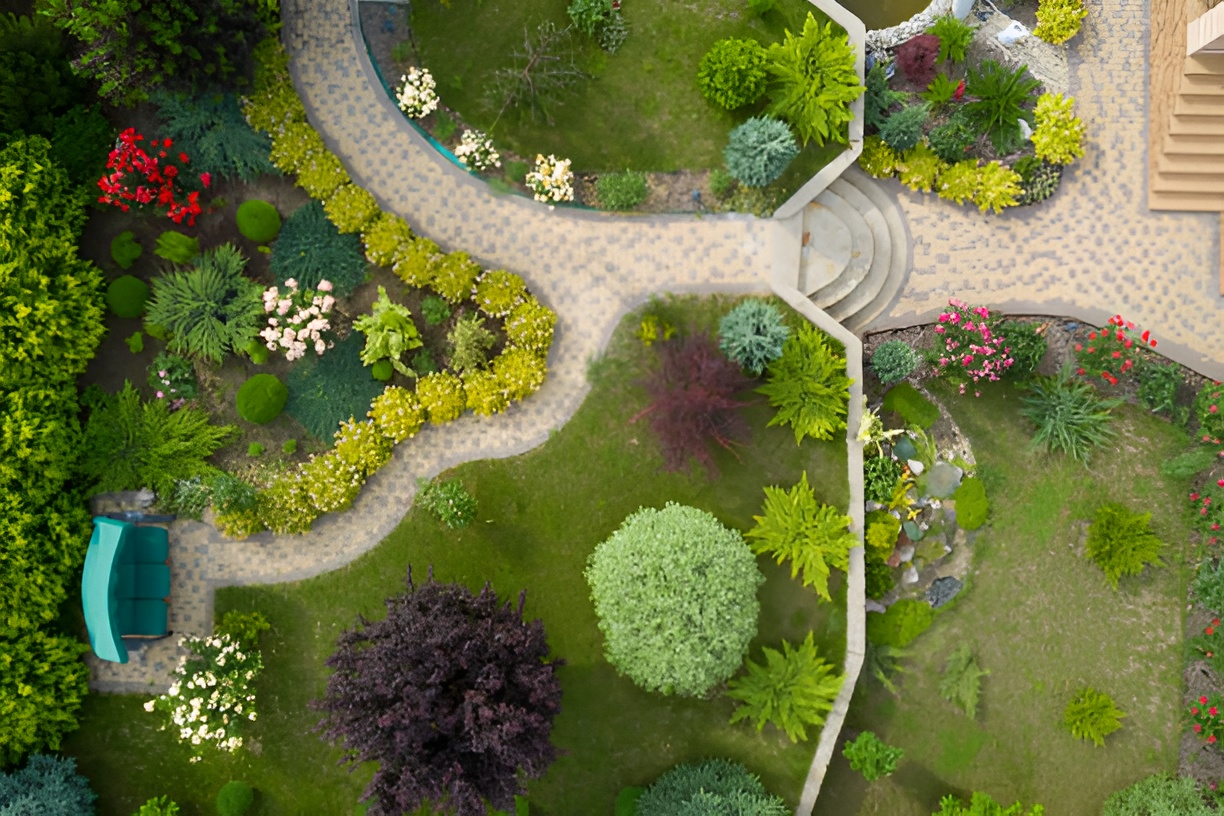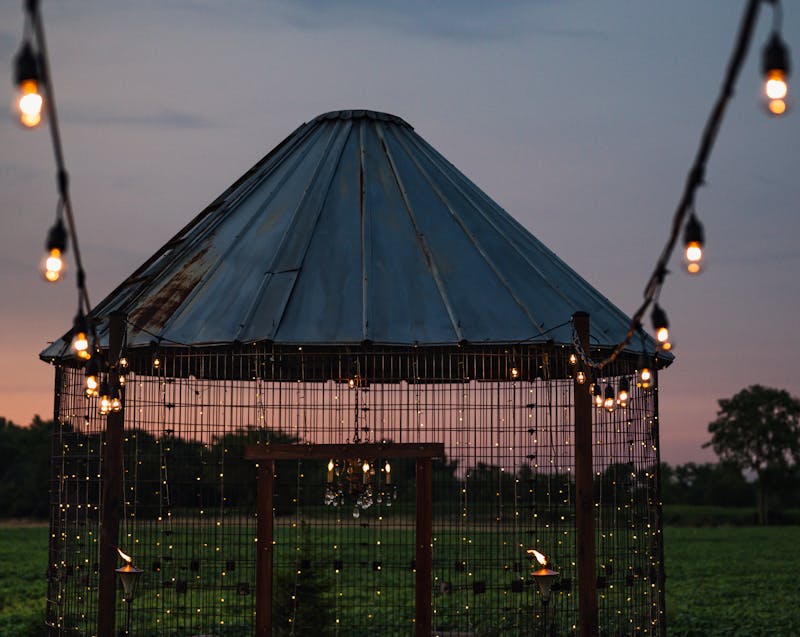
Transforming a residential outdoor area into a functional, beautiful, and valuable extension of the home requires thoughtful strategy, clear vision, and careful orchestration. A full property overhaul is rarely just about planting a few fresh flowers or laying down new sod; it is a comprehensive architectural effort that fuses living elements with structural features. Homeowners who aim to elevate their property’s exterior value often find that balancing natural aesthetics with structural installations requires specialized knowledge. By partnering with professional landscape designers, property owners can turn an uninspired, overgrown, or underutilized yard into a cohesive retreat that delivers maximum visual appeal and long-term utility.
The journey toward a complete yard makeover begins with understanding how all the moving parts of an outdoor space interact. From soil composition and drainage considerations to structural stability and architectural harmony, every detail plays a critical role in the final outcome. Working with seasoned professionals ensures that short-term design trends do not compromise long-term durability. Moreover, an expert approach prevents common installation mistakes, keeps project timelines on schedule, and ensures that every square foot of your property serves a defined purpose. Whether your primary goal is boosting resale value, expanding outdoor living areas, or creating a low-maintenance sanctuary, taking a structured approach to planning and execution is the secret to lasting success.
Establishing a Vision and Assessing Site Potential
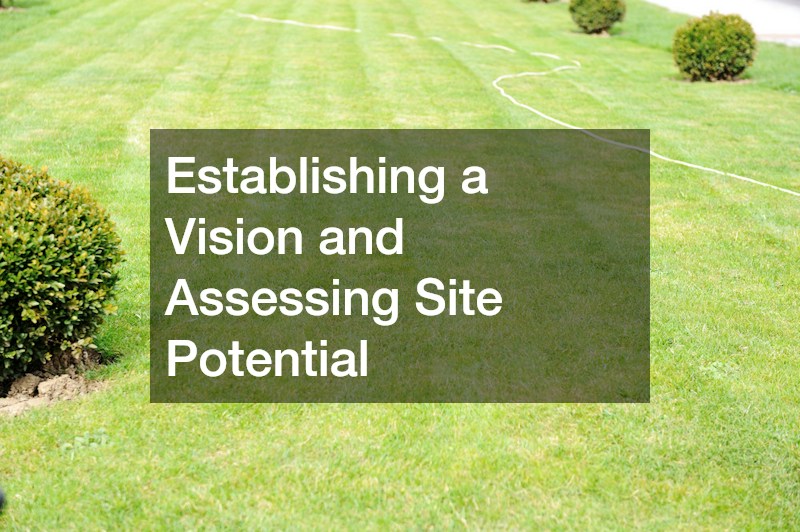
Before breaking ground or purchasing any materials, a successful outdoor transformation starts with an in-depth site evaluation and conceptual design phase. Professional designers look past the current state of a property to analyze light patterns, slope gradients, existing vegetation, soil health, and local climate factors. They take the time to learn how a household intends to use the yard—whether that means creating entertaining zones for large gatherings, safe play areas for children, or private spots for relaxation. During this initial phase, designers establish a master plan that balances aesthetic desires with practical realities, ensuring that every element added down the road works in harmony with the surrounding landscape.
Site preparation also involves identifying existing hazards or spatial bottlenecks that could hinder future construction. Trees with compromised root systems, poor surface drainage, and unstable soil conditions must all be addressed before moving on to decorative installations. By establishing clear design parameters early on, homeowners avoid costly revisions mid-project and ensure that every structural addition aligns perfectly with the overarching property aesthetic.
Clearing the Canvas and Addressing Site Hazards
Once a master plan is in place with landscape designers, physical work begins with clearing the property of hazardous, diseased, or poorly positioned obstacles. Overgrown trees can block essential sunlight, threaten nearby rooflines with overhanging branches, or compromise underground utility lines with aggressive root systems. Addressing these structural hazards early creates a safe, open canvas for heavy equipment and new construction. Hiring certified tree removal services ensures that dangerous trees are felled safely without damaging surrounding structures, leaving behind a clean, workable site ready for grading and installation.
Proper clearing extends beyond tree removal to include the excavation of old stumps, unwanted concrete slabs, and invasive root networks. Clearing these subterranean obstacles prevents future settling issues beneath patios, pathways, and green spaces. Starting with a blank slate gives contractors complete freedom to grade the terrain accurately, ensuring that water flows away from the home’s foundation and that all subsequent installations sit on solid, unyielding ground.
Crafting Durable Foundations and Functional Structures
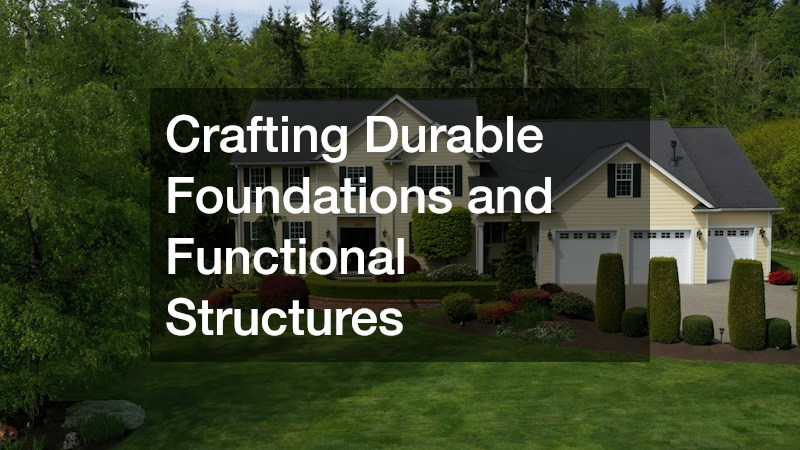
With the site properly cleared and graded, focus shifts toward building the primary structural features that give an outdoor space its form and functionality. Masonry and flatwork form the backbone of modern exterior design, defining pathways, patios, driveways, and outdoor kitchen bases. Enlisting a qualified concrete contractor guarantees that all hard surfaces are poured with proper rebar reinforcement, expansion joints, and slope pitches to withstand heavy foot traffic, vehicular weight, and seasonal freeze-thaw cycles without cracking or shifting over time.
Beyond standard concrete slabs, incorporating stamped or decorative concrete finishes allows homeowners to mirror the natural textures of stone, slate, or brick. These foundational elements establish clear traffic lanes throughout the property, seamlessly connecting living spaces, entryways, and garden zones. Proper installation of durable concrete features ensures that the structural framework of your yard remains safe, level, and visually appealing for decades to come.
Structuring Slopes and Managing Earth with Hardscapes
Uneven terrain and steep slopes present unique design challenges, often leading to severe soil erosion, unmanageable runoff, and dead space that cannot be comfortably used. Constructing a heavy-duty retaining wall solves these structural issues by holding back soil, creating level terraces, and converting previously unusable hillsides into functional planting beds or seating areas. Beyond their functional necessity, these walls add rich vertical texture and architectural interest to an otherwise flat landscape.
Engineering an effective wall requires careful attention to backfill materials, drainage pipes, and structural anchoring to prevent water pressure from building up behind the structure. When designed correctly, engineered walls serve as stunning visual focal points while protecting your property against soil washouts during heavy rainstorms. They allow homeowners to maximize usable square footage, enabling multi-level yard layouts that add depth and dimension to the entire property.
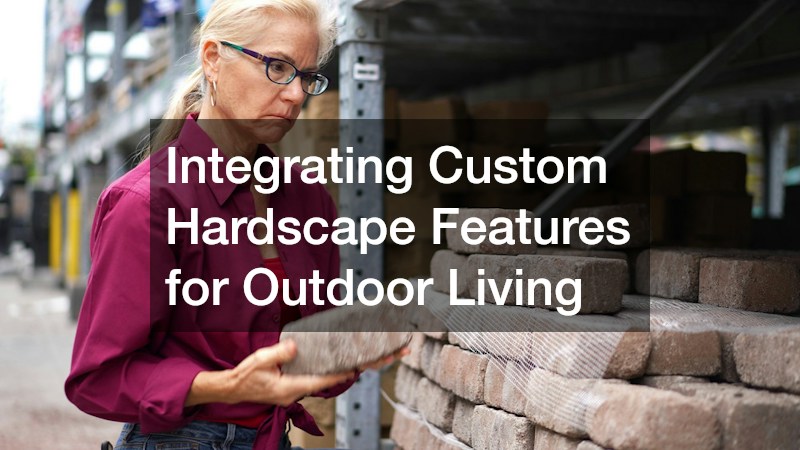
Integrating Custom Hardscape Features for Outdoor Living
Once structural earth retention and basic flatwork are complete, attention turns to integrating refined, custom features that elevate everyday outdoor living. Creative hardscape designs bridge the gap between interior living rooms and outdoor environments, incorporating elements like built-in fire pits, natural stone patio pavers, outdoor kitchens, and custom seating walls. These features extend the usable hours of a yard well into the evening and across multiple seasons, making the home feel larger and more versatile.
Material selection plays a major role in hardscape design, as texture, tone, and durability must complement the architectural style of the main house. Blending smooth flagstone, rich brick, or textured paver units creates visual contrast against soft green foliage and lawns. By strategically arranging these permanent features, designers create distinct functional “rooms” across the property, dedicated to dining, lounging, or gathering around an open flame.
Sourcing Quality Aggregates and Organic Base Materials
Underneath every striking patio and surrounding every garden bed lies a layer of specialized raw materials that keep the landscape healthy, stable, and weed-free. Sourcing bulk aggregates—such as crushed stone, pea gravel, sand, and decomposed granite—from a trusted gravel supplier ensures that your project receives clean, consistently graded materials necessary for proper drainage bases and stable pathway footings. High-grade gravel acts as an exceptional sub-base for heavy paving projects while serving as a low-maintenance, permeable surface for walkways and fire pit zones.
In addition to rock aggregates, selecting superior organic materials is vital for soil health and plant longevity. Incorporating premium topsoil, rich compost, and decorative mulches protects plant roots from extreme temperature swings, retains essential moisture, and suppresses weed growth. Buying these foundational items in bulk guarantees uniform quality across the entire property, ensuring that both structural sub-bases and surface garden beds receive the exact nutrients and stability they require.
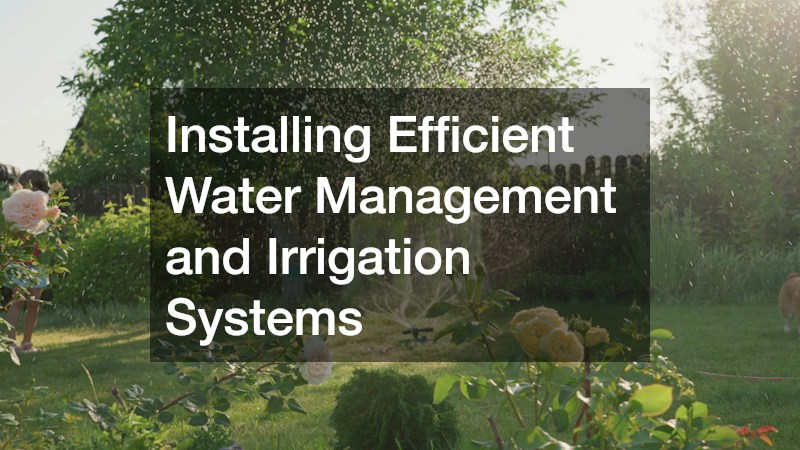
Installing Efficient Water Management and Irrigation Systems
A beautifully designed layout can quickly deteriorate if the living elements do not receive consistent, appropriate hydration. Relying on manual hose watering often leads to uneven coverage, water waste, and underwatered plant stress. Investing in a professional sprinkler installation guarantees that lawns, shrub borders, and flower beds receive precise moisture amounts delivered on optimized schedules. Modern automated systems feature smart weather sensors and zone-specific drip lines that adjust watering based on real-time rainfall, preventing oversaturation while conserving water resources.
Proper irrigation design considers the distinct water requirements of different plant species, separating turf areas from deep-rooted trees and delicate flower beds. Properly calibrated spray heads eliminate dry patches and prevent overspray onto concrete surfaces, protecting your hardscape investment from water staining and premature weathering. An automated system provides peace of mind, ensuring your vibrant green landscape thrives even during hot summer months or long family vacations.
Elevating Atmosphere with Water Features and Focal Points
To elevate a yard from standard to extraordinary, incorporating sensory focal points introduces dynamic movement and tranquil sound. Aquatic elements act as visual anchors, turning open lawns or courtyard centers into captivating gathering points. Partnering with experienced local water fountain companies allows homeowners to select self-contained fountains, stone waterfalls, or modern spillways that seamlessly complement the surrounding hardscape and architectural design.
Beyond their obvious aesthetic charm, water features play a functional role in urban and suburban landscapes by masking unwanted neighborhood ambient noise with the soothing sound of moving water. Combined with strategic placement near patios or seating nooks, water features create a peaceful, resort-like atmosphere. They also attract local wildlife, such as songbirds and butterflies, bringing natural vitality and dynamic energy right to your back doorstep.

Selecting and Placing Premium Plantings and Ground Covers
The softscaping stage is where natural color, varied texture, and organic structure are fully integrated into the design framework to give the property its true personality. Selecting high-grade, climate-appropriate landscaping materials—such as perennial shrubs, ornamental grasses, native shade trees, rich organic mulches, and decorative ground covers—ensures year-round visual interest and effortless seasonal transitions across every bed. Staggering plant heights, contrasting leaf textures, and balancing overlapping bloom cycles adds immense visual richness and depth, transforming simple, flat property lines into lush, multi-layered garden borders that evolve beautifully throughout the spring, summer, and fall.
Strategic plant selection also contributes directly to long-term sustainability, better water conservation, and significantly reduced maintenance demands over the life of the garden. Native plant species require far less artificial fertilizer, adapt naturally to local soil conditions, and resist regional pests and diseases much more effectively than non-native species. By thoughtfully pairing permanent, structural evergreen backdrops with dynamic, seasonal flowering accents, designers ensure that your garden maintains its strong visual architecture, color balance, and curb appeal even during the dormant winter months when deciduous plants drop their leaves.
Long-Term Maintenance and Maximizing Curb Appeal
The final component of a successful outdoor transformation is establishing a routine care plan that protects your investment and maintains its refined appearance. Even the most thoughtfully designed landscapes require ongoing maintenance, turf management, seasonal pruning, and hardscape sealing to retain their original beauty. Partnering with professional landscaping services guarantees that your property receives systematic, expert care tailored to the specific needs of your plants, soil, and hardscape installations throughout every season.
A comprehensive maintenance routine preserves structural integrity and keeps living elements flourishing as they mature. Regular lawn aeration, timely fertilization, mulching, and hardscape cleaning prevent premature wear and keep garden beds neat. By dedicating attention to long-term upkeep, your revamped outdoor space will continue to increase in beauty and property value, delivering an inviting, high-impact curb appeal for years to come.
Beyond basic preservation, a proactive maintenance schedule allows your landscape to evolve gracefully as trees mature and perennial gardens expand. Seasonal check-ups ensure that irrigation systems are properly winterized before freezes and recalibrated for summer heat, preventing costly system failures and plant loss. Furthermore, regular inspection of hardscape joints, retaining walls, and outdoor lighting fixtures catches minor wear before it turns into major repair work. Protecting your exterior spaces with consistent, professional oversight ensures that the original design vision remains pristine, functional, and striking across every season.
A comprehensive yard makeover is one of the most rewarding home improvement journeys a property owner can undertake. By approaching the project systematically—starting with deep site analysis and clearing, moving through heavy structural masonry and earth retention, and finishing with automated irrigation, lush plantings, and custom water features—you ensure that every dollar invested produces tangible beauty, functionality, and long-term value. Every element, from the invisible gravel drainage layer beneath your feet to the glowing ambient lights above, works in concert to deliver a seamless outdoor experience.
Ultimately, a successful transformation relies on combining creative vision with skilled execution across multiple disciplines. By choosing to invest in expert craftsmanship and professional planning, you eliminate the stress of managing piecemeal DIY projects and gain access to an outdoor environment built to last. The result is more than just an attractive home exterior; it is an inviting, high-value sanctuary where family and friends can gather, relax, and build memories for years to come.